
Markets · NIVEGU ORIGINAL
Treasury Auctions Are the Market's Recurring Stress Test
Every sale measures how much duration investors will absorb and at what yield.
6 min read →Capital, currencies and the assumptions hiding inside prices.
Signals for investors without the market theatre.
The Fed-watched price index rose 0.2% in July, while real consumer spending was essentially flat and after-tax income gained.

A new bridge or water plant is financed today and repaid through decades of public revenue.

Transport prices reveal where urgency and scarce capacity are accumulating in the supply chain.

Banks and companies can face a currency shortage even when their underlying assets remain sound.

A hedge trades some upside for a price range a farm or buyer can finance.
Books, films, series and documentaries selected to add context—not replace the reporting.
Original Nivegu analysis, explainers and living briefings. Page 1 of 2.
Every sale measures how much duration investors will absorb and at what yield.
6 min read →
The latest official crop outlook moves the market from planting assumptions toward yield, stocks and export evidence—with revisions still part of the process.
5 min read →
Producers are repricing support contracts after power costs remained high across two regions.
4 min read →
The next inflation release matters because investors are pricing a sequence, not a single headline.
5 min read →
Repurchases create value only when balance sheets, valuation and long-term investment still make sense.
5 min read →The metal reflects electrification ambition, mine constraints and the uneven rhythm of global construction.
5 min read →Rising premiums and shrinking coverage are changing affordability before home prices fully respond.
5 min read →Investors are looking past adjusted profit to cash conversion, working capital and repeatable demand.
5 min read →Higher yields have restored a real alternative to equities and changed the price investors demand for uncertainty.
5 min read →
Gold has moved back above the market’s $4,100 reference zone. The rally is testing a simple rule: higher rates do not automatically mean lower gold.
5 min read →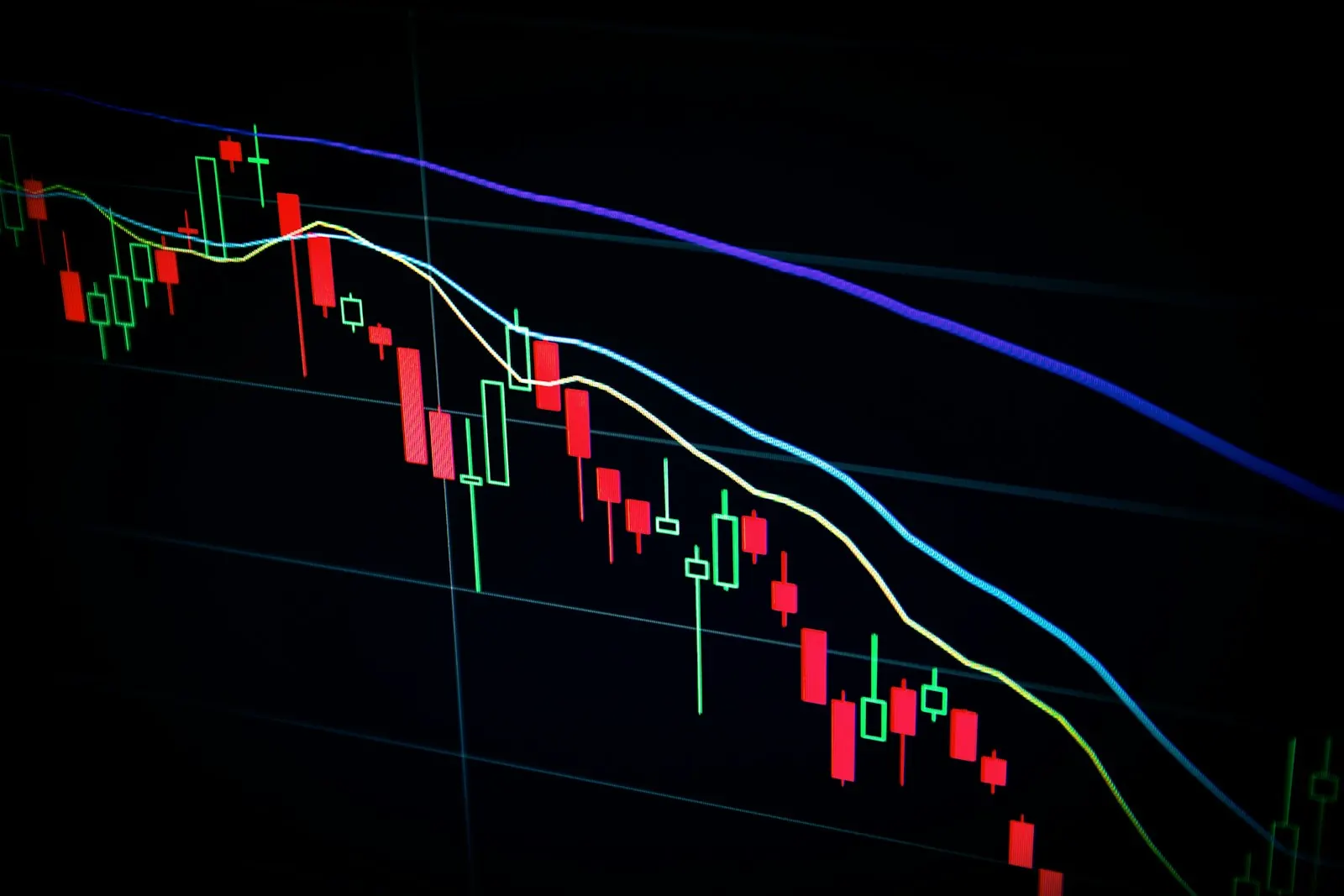
Oil is high, credit is nervous and chip shares no longer get a free pass.
5 min read →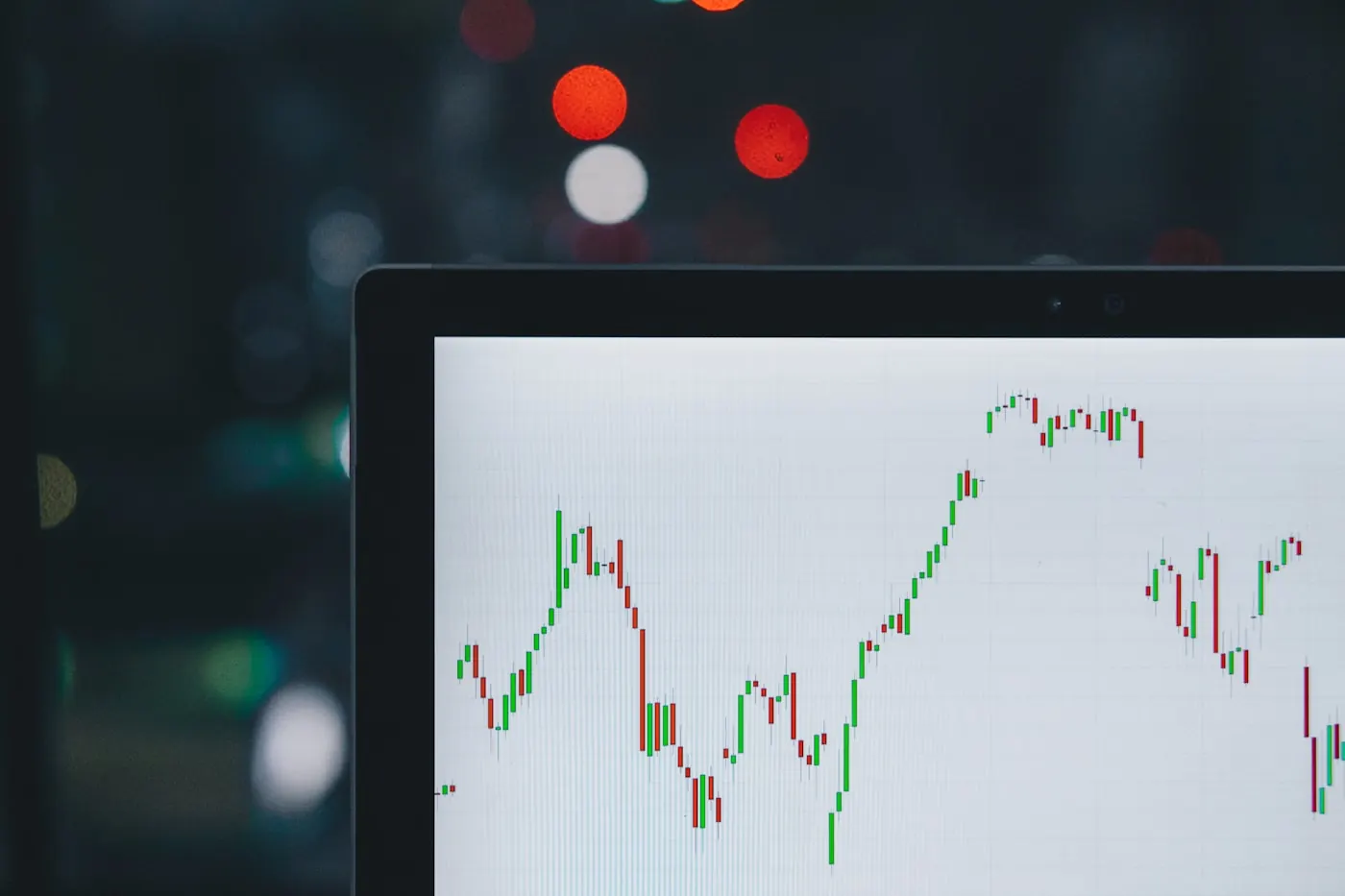
Intervention can scare traders. It cannot repeal the rate gap.
4 min read →Ten source-backed stories with distinct, locally served editorial photography.
The Fed-watched price index rose 0.2% in July, while real consumer spending was essentially flat and after-tax income gained.
Read original briefing →A new bridge or water plant is financed today and repaid through decades of public revenue.
Read original briefing →Transport prices reveal where urgency and scarce capacity are accumulating in the supply chain.
Read original briefing →Banks and companies can face a currency shortage even when their underlying assets remain sound.
Read original briefing →A hedge trades some upside for a price range a farm or buyer can finance.
Read original briefing →Every sale measures how much duration investors will absorb and at what yield.
Read original briefing →The latest official crop outlook moves the market from planting assumptions toward yield, stocks and export evidence—with revisions still part of the process.
Read original briefing →Producers are repricing support contracts after power costs remained high across two regions.
Read original briefing →The next inflation release matters because investors are pricing a sequence, not a single headline.
Read original briefing →Gold has moved back above the market’s $4,100 reference zone. The rally is testing a simple rule: higher rates do not automatically mean lower gold.
Read original briefing →