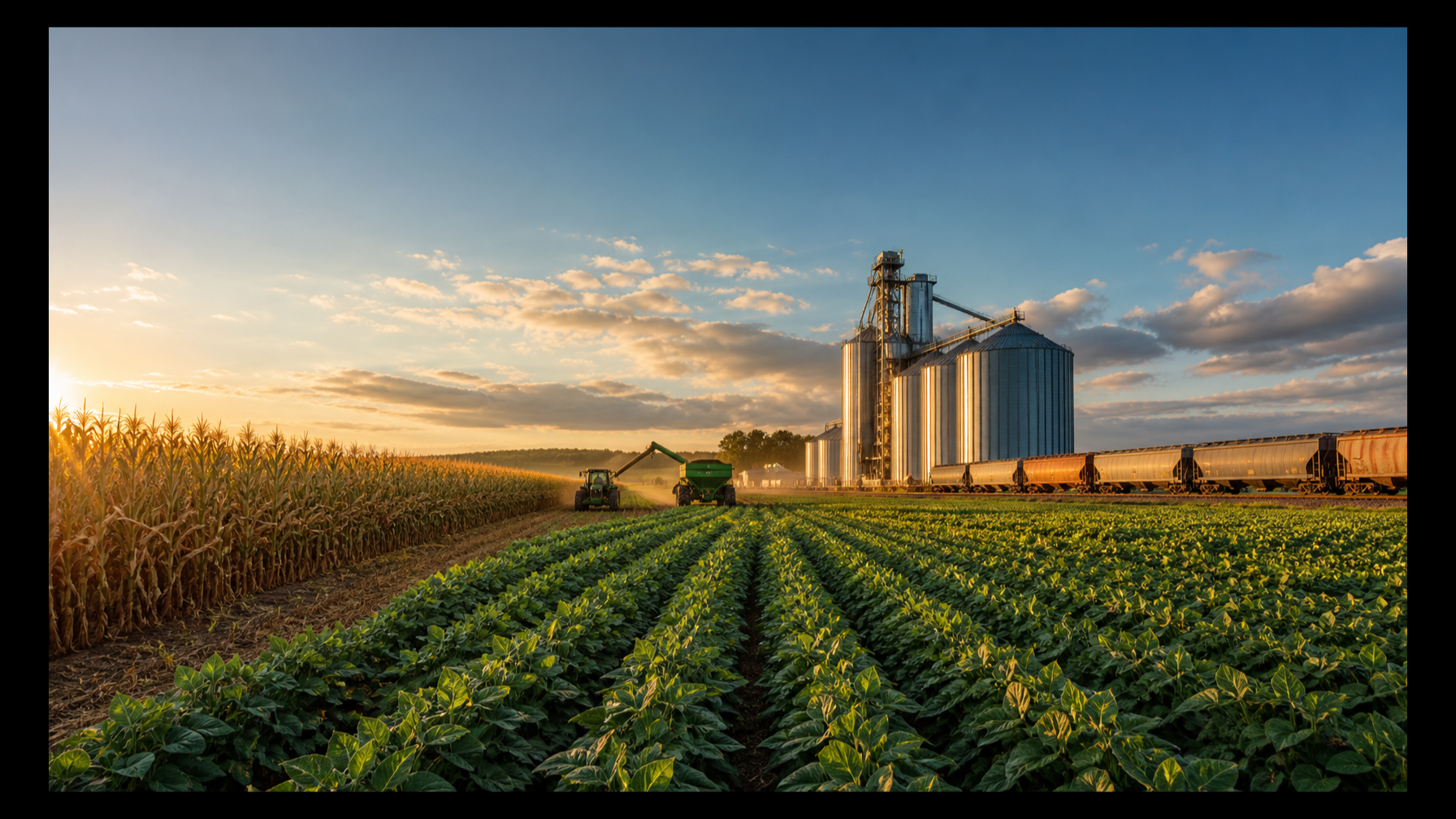
USDA released its scheduled August World Agricultural Supply and Demand Estimates on Aug. 12 alongside new trade reports for grains and cotton. The release gives commodity markets a new official baseline, but it remains a forecast built from evolving crop, trade and weather evidence—not a final harvest count.
Key facts
- WASDE is a monthly forecast, not a final harvest tally
- The Aug. 12 release was part of USDA's published 2026 calendar
- Companion USDA trade reports cover grains and cotton
- The next scheduled WASDE release is Sept. 11
Timeline
May 12 — USDA publishes its initial 2026/27 forecasts. July 10 — the prior monthly WASDE is released. Aug. 12 — USDA issues the August WASDE and companion world trade reports. Sept. 11 — the next scheduled WASDE update.
Small changes in expected yield, inventories or exports can alter the balance available to buyers and move crop prices. The August release matters because more of the growing season is observable than in the initial spring forecasts, while substantial weather and harvest uncertainty remains.
The useful market test is how the new official balance compares with prior expectations and how later field data confirm or challenge it. One report can reset positioning, but harvest results, export sales and future revisions decide whether the move lasts.
What happened?
The World Agricultural Outlook Board issued the monthly WASDE on its scheduled Aug. 12 release date. USDA's Foreign Agricultural Service also published updated world market and trade reports for grains and cotton. Together, the documents refresh the official view of production, consumption, trade and stocks as the Northern Hemisphere harvest approaches.
Why it matters
Small changes in expected yield, inventories or exports can alter the balance available to buyers and move crop prices. The August release matters because more of the growing season is observable than in the initial spring forecasts, while substantial weather and harvest uncertainty remains.
Background
USDA released its scheduled August World Agricultural Supply and Demand Estimates on Aug. 12 alongside new trade reports for grains and cotton. The release gives commodity markets a new official baseline, but it remains a forecast built from evolving crop, trade and weather evidence—not a final harvest count.
What each side says
USDA presents WASDE as a monthly forecast of U.S. and world agricultural supply and use. Producers and commodity users may emphasize different lines—yield, ending stocks, feed use or exports—because each line affects their economics differently. Nivegu does not infer a single industry verdict from the publication.
What happens next
Markets will compare the August estimates with weekly export sales, crop-condition reports and harvest evidence. USDA's schedule lists the next WASDE for Sept. 11, when another month of field and trade data can change the balance.
Nivegu analysis
WASDE is best read as a versioned public estimate. It combines interagency analysis into a consistent balance sheet, then revises that picture as new evidence arrives. Treating an August forecast as a final production result would erase the uncertainty the release is designed to manage.
Different viewpoints
Processors and buyers gain a common public baseline for planning. Producers with strong yields may benefit if supply concerns support prices, while livestock and food companies benefit when ample supply eases input pressure.
A larger supply outlook can pressure growers' margins; a tighter one can raise costs for users of grain, oilseeds and feed. The direction differs by crop and should not be reduced to a single bullish or bearish label.
What are you still wondering?
Answers will use this briefing and its cited sources.Sources and further reading
01USDA — World Agricultural Supply and Demand Estimates↗02USDA Foreign Agricultural Service — Data and Analysis↗03USDA ERS — WASDE Projections at a Glance↗Questions, answered.
What is the short version?
USDA released its scheduled August World Agricultural Supply and Demand Estimates on Aug. 12 alongside new trade reports for grains and cotton. The release gives commodity markets a new official baseline, but it remains a forecast built from evolving crop, trade and weather evidence—not a final harvest count.
Why does this matter now?
Small changes in expected yield, inventories or exports can alter the balance available to buyers and move crop prices. The August release matters because more of the growing season is observable than in the initial spring forecasts, while substantial weather and harvest uncertainty remains.
What should readers watch next?
The useful market test is how the new official balance compares with prior expectations and how later field data confirm or challenge it. One report can reset positioning, but harvest results, export sales and future revisions decide whether the move lasts.