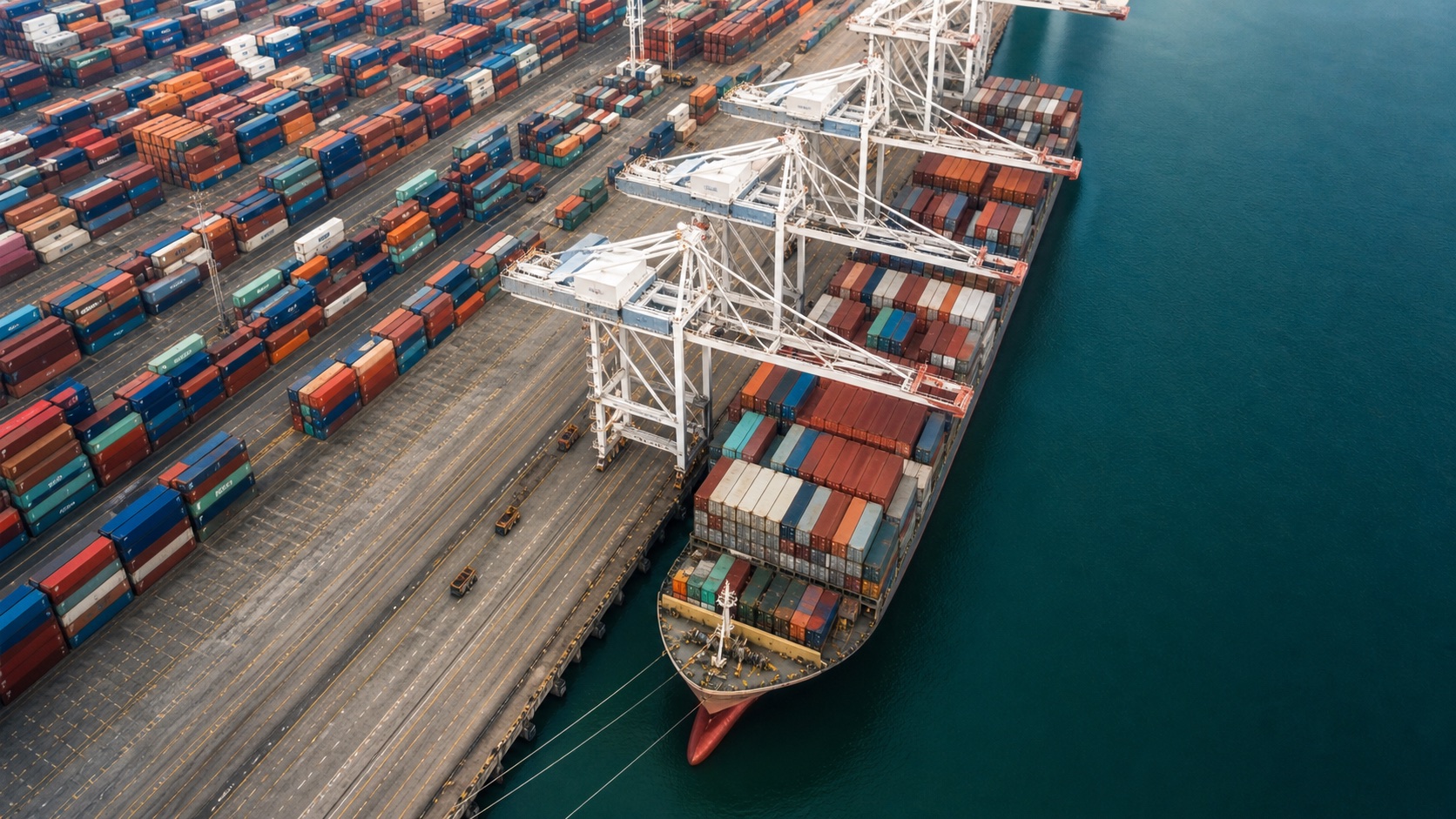
Resilience replaces a single optimized path with options that can keep goods moving during disruption.
Timeline
Companies diversify suppliers, add inventory, qualify alternative transport modes and map deeper tiers of production.
The change can reduce catastrophic interruption while lowering the efficiency that kept everyday costs down.
Watch inventory ratios, supplier concentration, regional capacity and the cost of financing additional buffers.
What happened?
Companies diversify suppliers, add inventory, qualify alternative transport modes and map deeper tiers of production.
Why it matters
The change can reduce catastrophic interruption while lowering the efficiency that kept everyday costs down.
Background
Resilience replaces a single optimized path with options that can keep goods moving during disruption.
Who wins?
Readers who need source-linked context rather than a headline alone.
Who loses?
Simplistic narratives that omit operational constraints and trade-offs.
Market impact
Watch inventory ratios, supplier concentration, regional capacity and the cost of financing additional buffers.
Nivegu analysis
Resilience is insurance. The strategic question is not whether it is free, but which failures are expensive enough to justify the premium.
Different viewpoints
Readers who need source-linked context rather than a headline alone.
Simplistic narratives that omit operational constraints and trade-offs.
What are you still wondering?
Answers will use this briefing and its cited sources.Sources and further reading
01U.S. DOT — Freight and Logistics Supply Chain Assessment↗Questions, answered.
What is the short version?
Resilience replaces a single optimized path with options that can keep goods moving during disruption.
Why does this matter now?
The change can reduce catastrophic interruption while lowering the efficiency that kept everyday costs down.
What should readers watch next?
Watch inventory ratios, supplier concentration, regional capacity and the cost of financing additional buffers.