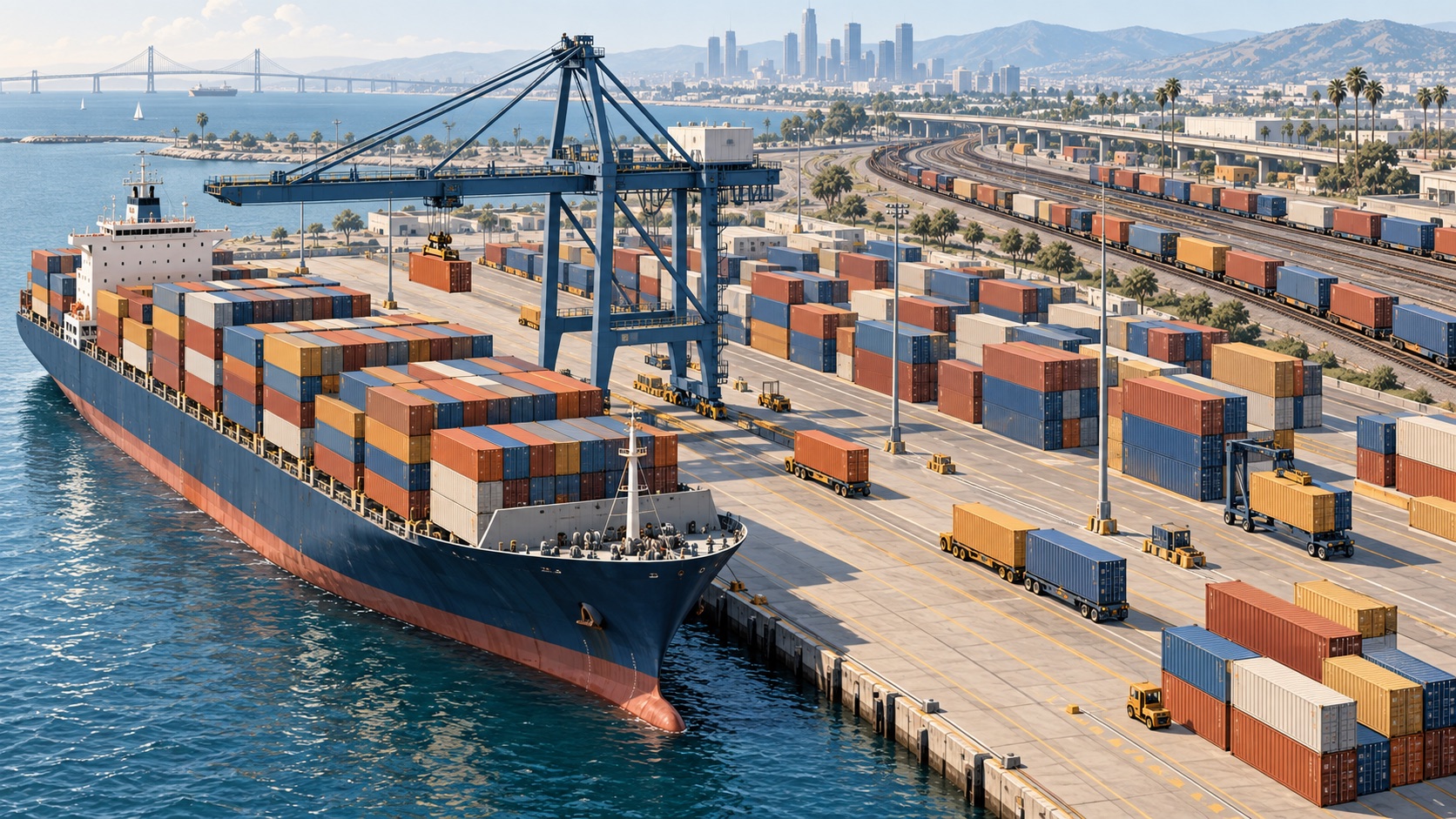
Companies are spreading production across more countries, but resilience is not free and duplication is not efficiency.
Timeline
Trade restrictions and geopolitical risk pushed firms to add suppliers, inventory and regional production. The system is harder to break—and more expensive to run.
Higher friction eventually reaches consumers. Politicians can rename it security; the receipt still says cost.
The resilience premium supports capital spending but pressures margins. Expect more investment and less efficiency.
What happened?
Trade restrictions and geopolitical risk pushed firms to add suppliers, inventory and regional production. The system is harder to break—and more expensive to run.
Why it matters
Higher friction eventually reaches consumers. Politicians can rename it security; the receipt still says cost.
Background
Companies are spreading production across more countries, but resilience is not free and duplication is not efficiency.
Who wins?
Logistics software, regional manufacturers and countries that can offer stable infrastructure.
Who loses?
Low-margin importers and consumers asked to finance industrial policy at checkout.
Market impact
The resilience premium supports capital spending but pressures margins. Expect more investment and less efficiency.
Nivegu analysis
The old supply chain optimized for cost and ignored politics. The new one optimizes for politics and pretends cost does not matter. Both stories were too simple.
Different viewpoints
Logistics software, regional manufacturers and countries that can offer stable infrastructure.
Low-margin importers and consumers asked to finance industrial policy at checkout.
What are you still wondering?
Answers will use this briefing and its cited sources.Sources and further reading
01WTO global trade outlook↗Questions, answered.
What is the short version?
Companies are spreading production across more countries, but resilience is not free and duplication is not efficiency.
Why does this matter now?
Higher friction eventually reaches consumers. Politicians can rename it security; the receipt still says cost.
What should readers watch next?
The resilience premium supports capital spending but pressures margins. Expect more investment and less efficiency.