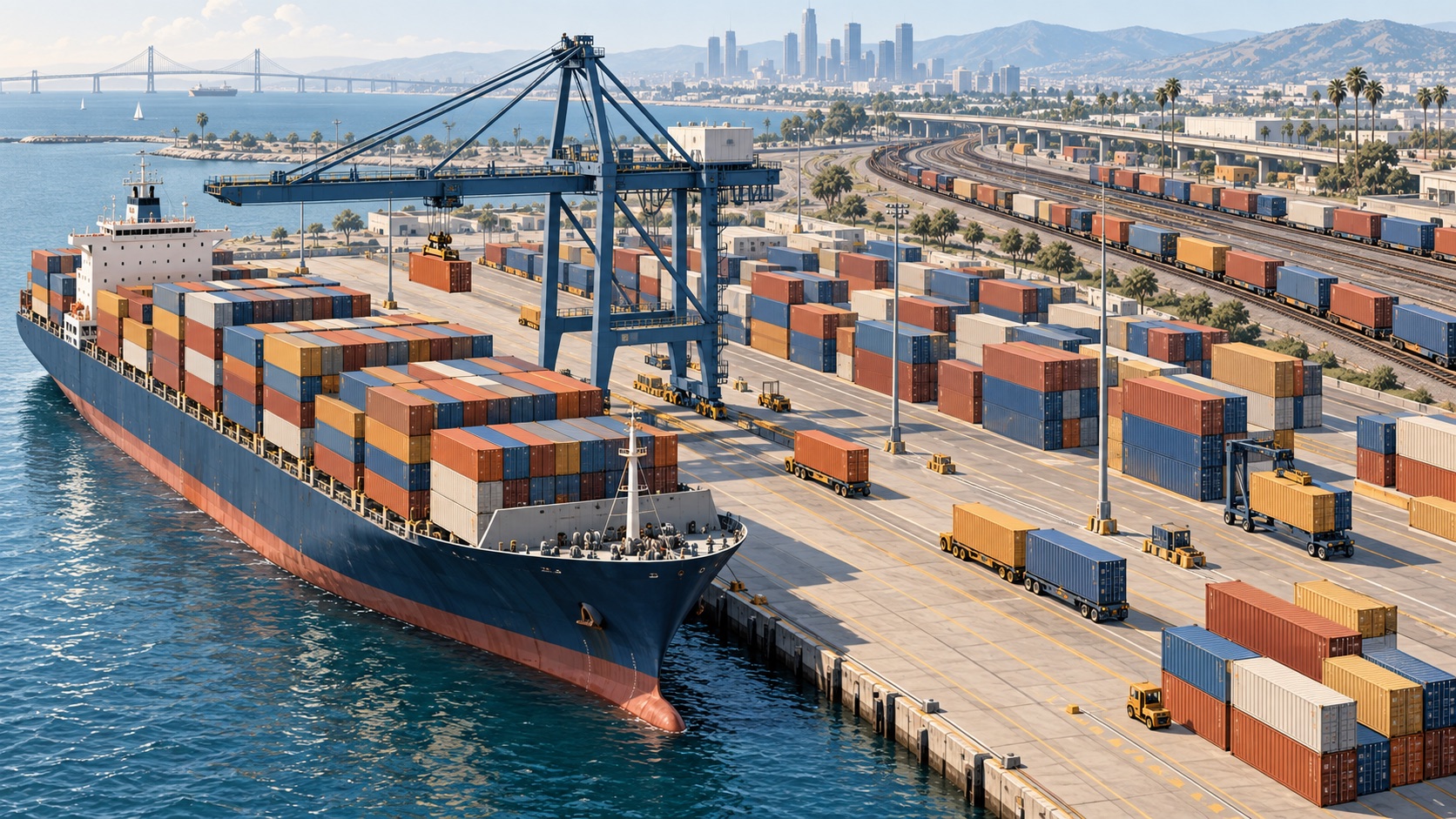
Mid-size importers are expanding buffer inventory for top-selling categories while tightening long-tail exposure.
Timeline
Q2–Q3 2026 — recurring disruption at major chokepoints. August 2026 — wider adoption across earnings updates and supplier updates.
Inventory structure is often where global shocks hit first. Too little inventory causes stockouts; too much increases financing and obsolescence costs.
The change favors logistics software tied to replenishment cadence and dynamic reorder points over broad safety stock hikes.
What happened?
Interviews with trade groups and financial disclosures show many retailers adjusting reorder policy for shipping variance and supplier concentration risks.
Why it matters
Inventory structure is often where global shocks hit first. Too little inventory causes stockouts; too much increases financing and obsolescence costs.
Background
Mid-size importers are expanding buffer inventory for top-selling categories while tightening long-tail exposure.
What each side says
Some operators report higher service scores; others report slower cash cycles and tighter returns windows.
What happens next
Key inflection is whether these bands hold through holiday demand spikes or whether teams widen again under pressure.
Nivegu analysis
This is a process adaptation rather than a macro call: firms are treating shipping variance as a persistent planning variable.
Different viewpoints
Operators with demand forecasting discipline and stable working-capital facilities can preserve service levels while managing margin.
Thin-margin merchants with weak planning systems face higher carrying costs and weaker gross-profit stability.
What are you still wondering?
Answers will use this briefing and its cited sources.Sources and further reading
01National Retail Federation↗02U.S. Census trade statistics↗Questions, answered.
What is the short version?
Mid-size importers are expanding buffer inventory for top-selling categories while tightening long-tail exposure.
Why does this matter now?
Inventory structure is often where global shocks hit first. Too little inventory causes stockouts; too much increases financing and obsolescence costs.
What should readers watch next?
The change favors logistics software tied to replenishment cadence and dynamic reorder points over broad safety stock hikes.