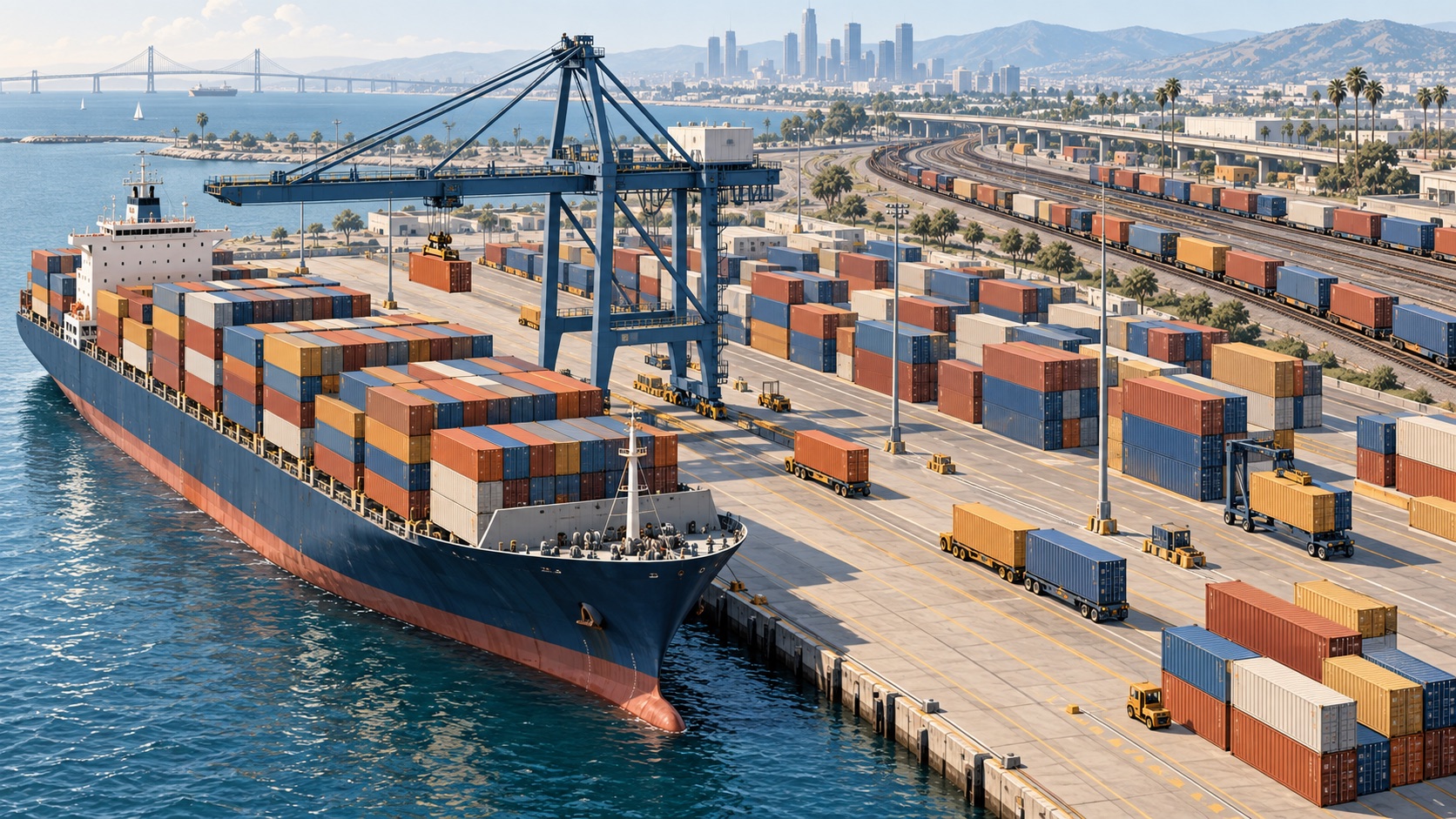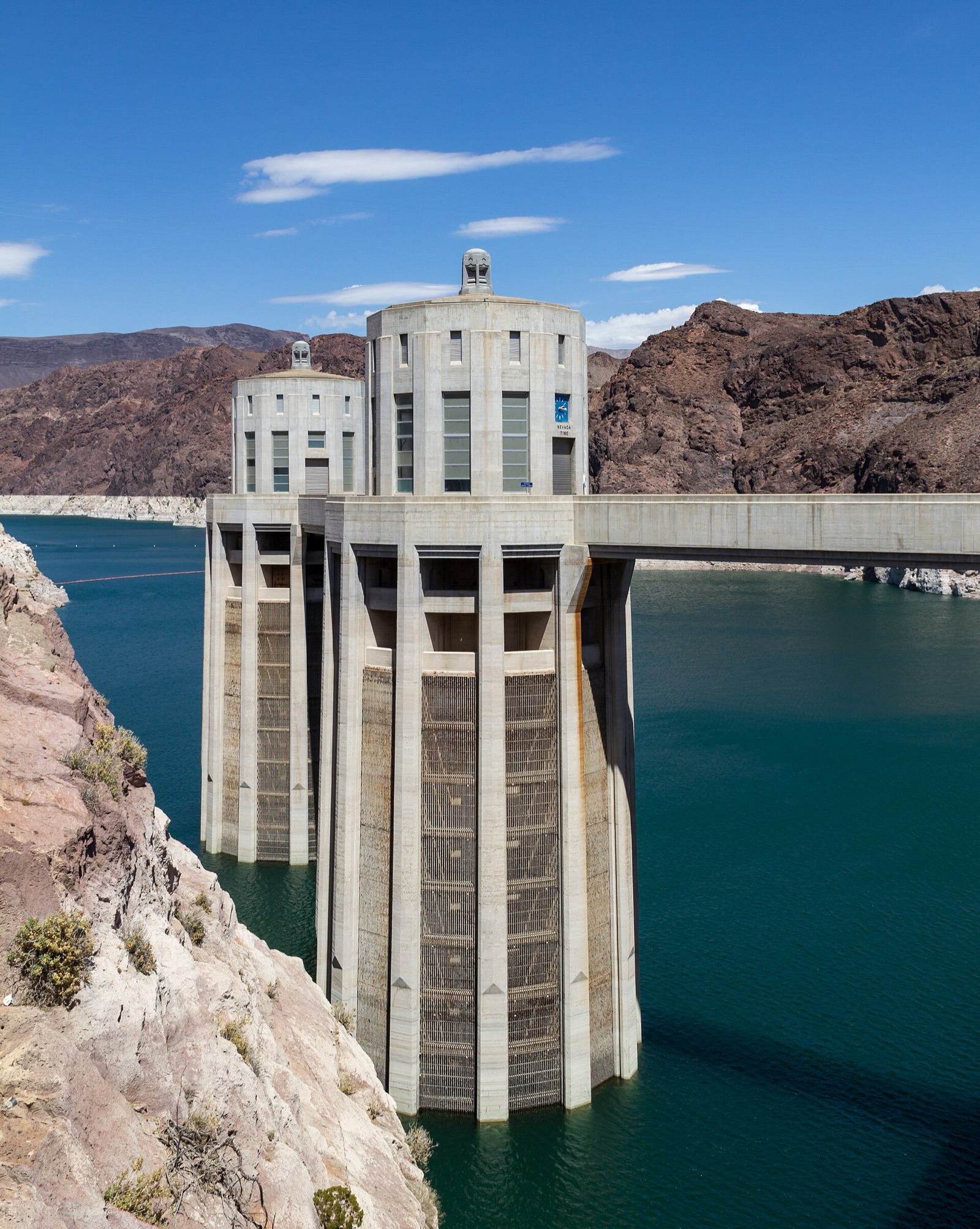
Nearshoring relocates parts of production closer to a market, but resilience depends on the entire supplier map.
Timeline
Nearshoring typically moves from sourcing studies to supplier qualification, pilot production and gradual volume transfer.
A final assembly move may leave upstream concentration unchanged.
Watch rules of origin, border capacity, supplier qualification and local infrastructure.
What happened?
Firms are comparing wage, energy, logistics, trade treatment and political risk across nearby production locations.
Why it matters
A final assembly move may leave upstream concentration unchanged.
Background
Nearshoring relocates parts of production closer to a market, but resilience depends on the entire supplier map.
What each side says
Governments promote regional jobs and security; firms balance proximity against scale, cost and supplier ecosystems.
What happens next
Map tier-two and tier-three dependencies before assigning a resilience benefit.
Nivegu analysis
Distance is one risk variable. A genuinely more resilient network needs alternatives at the constrained tier, not merely a new final address.
Different viewpoints
Organizations that can trace exposure, qualify alternatives and act on primary documents.
Plans built on stale rates, incomplete product classifications or assumed exemptions.
What are you still wondering?
Answers will use this briefing and its cited sources.Sources and further reading
01International Trade Administration↗02USTR — Trade tools and agreements↗Questions, answered.
What is the short version?
Nearshoring relocates parts of production closer to a market, but resilience depends on the entire supplier map.
Why does this matter now?
A final assembly move may leave upstream concentration unchanged.
What should readers watch next?
Watch rules of origin, border capacity, supplier qualification and local infrastructure.