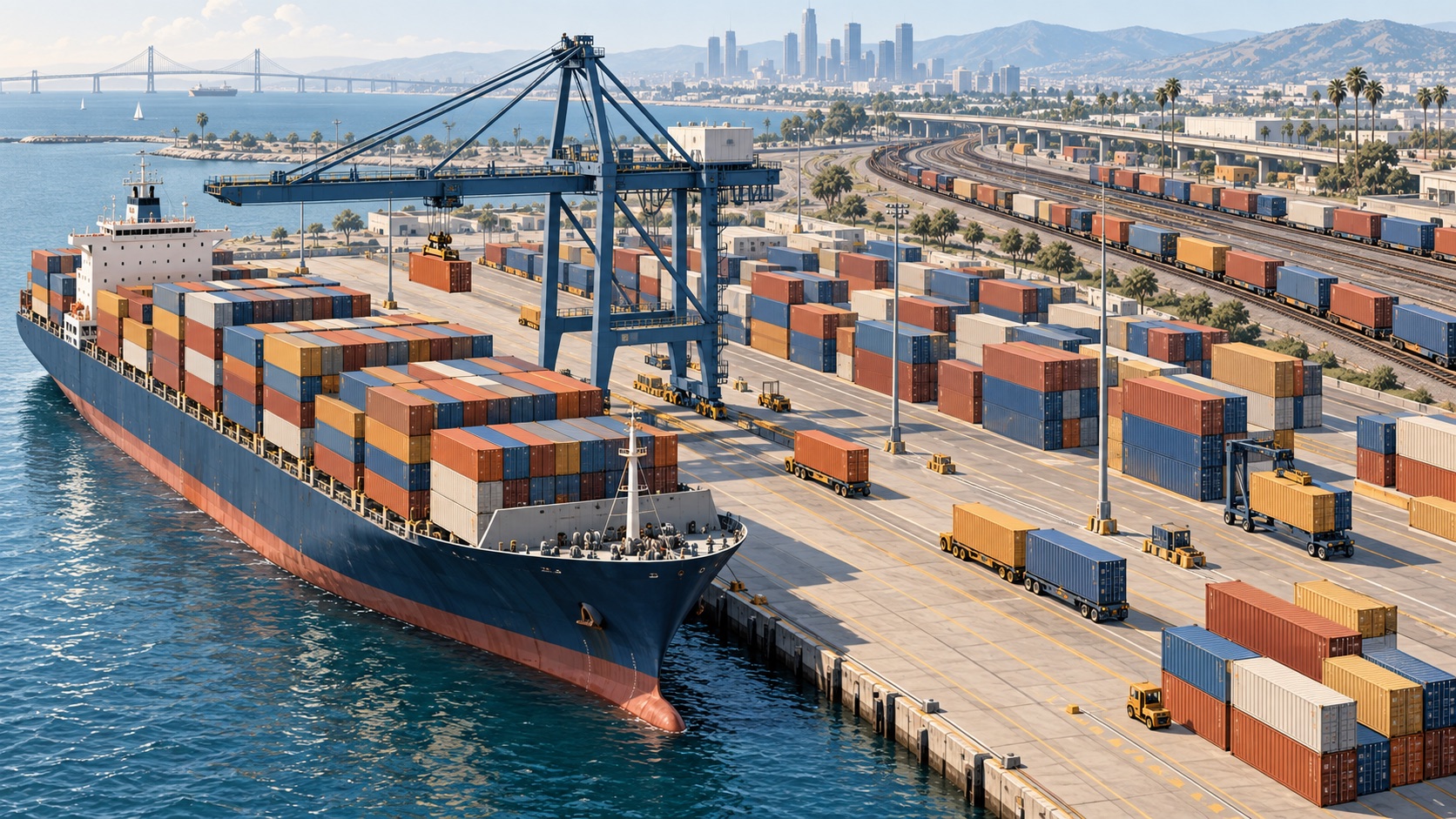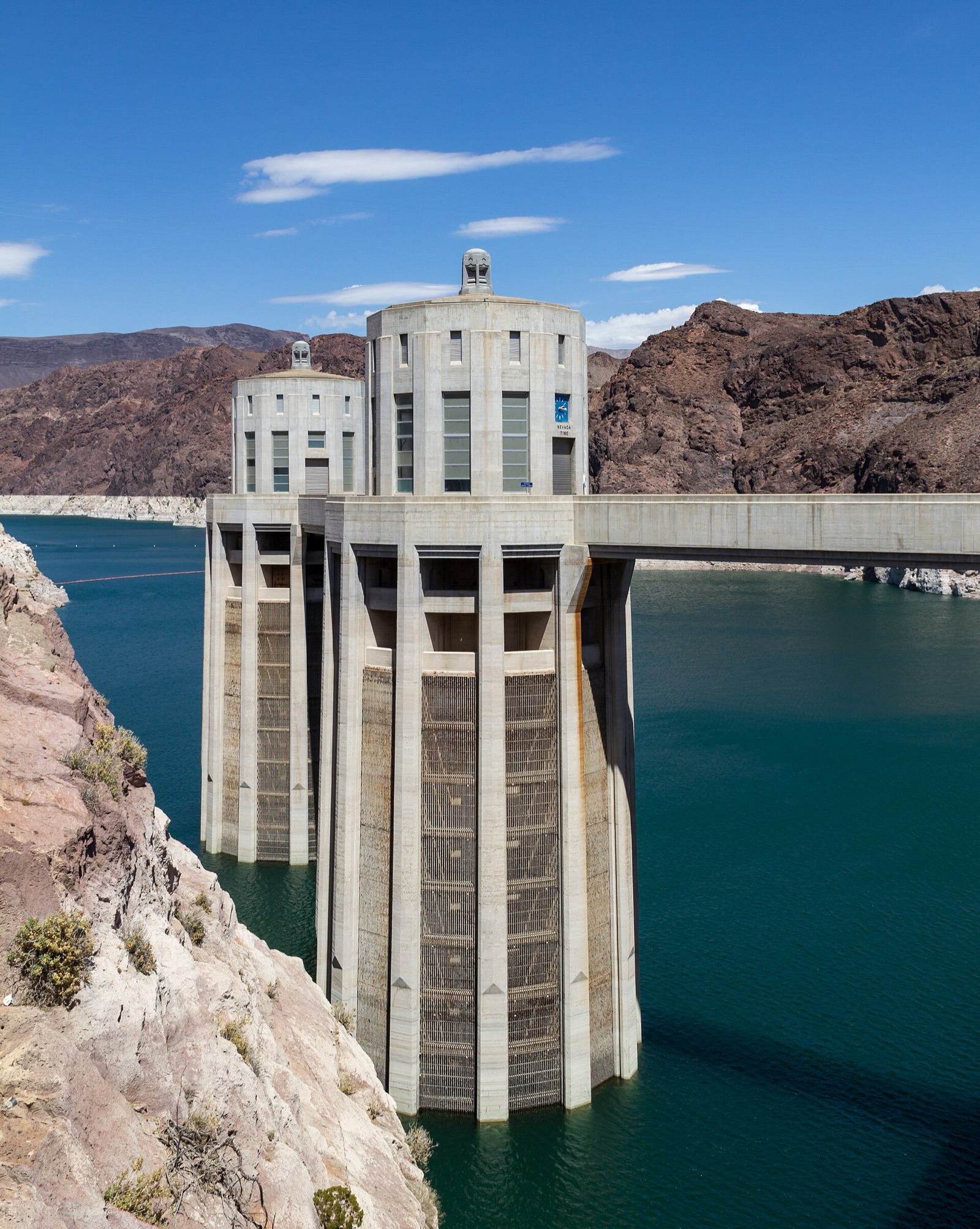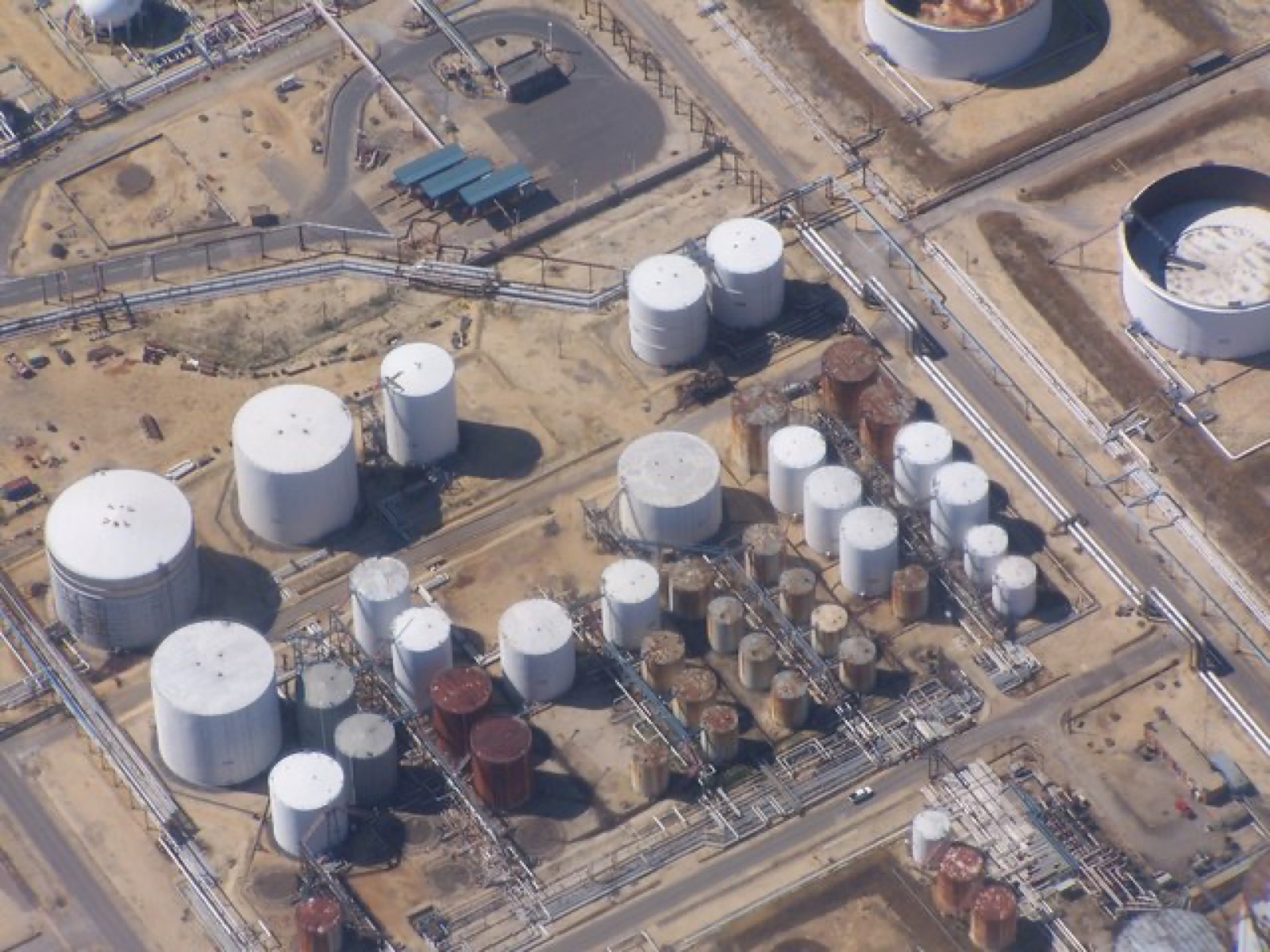
Critical-mineral supply chains connect geology to processing, qualification and final manufacturing.
Timeline
Projects move through exploration, permitting, financing, construction, commissioning and customer qualification.
A country can possess resources without having the capability to turn them into usable industrial inputs.
Watch USGS data, permitting, processing capacity, offtake agreements and substitution efforts.
What happened?
Governments and companies are investing in domestic and allied supply, but new mines and processing facilities require long lead times.
Why it matters
A country can possess resources without having the capability to turn them into usable industrial inputs.
Background
Critical-mineral supply chains connect geology to processing, qualification and final manufacturing.
What each side says
Governments emphasize security and diversification; producers emphasize permitting and finance; communities focus on environmental and local impacts.
What happens next
Separate reserves, mined output, processing capacity and qualified material in every claim.
Nivegu analysis
Counting reserves can create false comfort. The strategic bottleneck is often the technically qualified step with the fewest alternatives.
Different viewpoints
Organizations that can trace exposure, qualify alternatives and act on primary documents.
Plans built on stale rates, incomplete product classifications or assumed exemptions.
What are you still wondering?
Answers will use this briefing and its cited sources.Sources and further reading
01USGS — Mineral Commodity Summaries↗02European Commission — Trade↗Questions, answered.
What is the short version?
Critical-mineral supply chains connect geology to processing, qualification and final manufacturing.
Why does this matter now?
A country can possess resources without having the capability to turn them into usable industrial inputs.
What should readers watch next?
Watch USGS data, permitting, processing capacity, offtake agreements and substitution efforts.