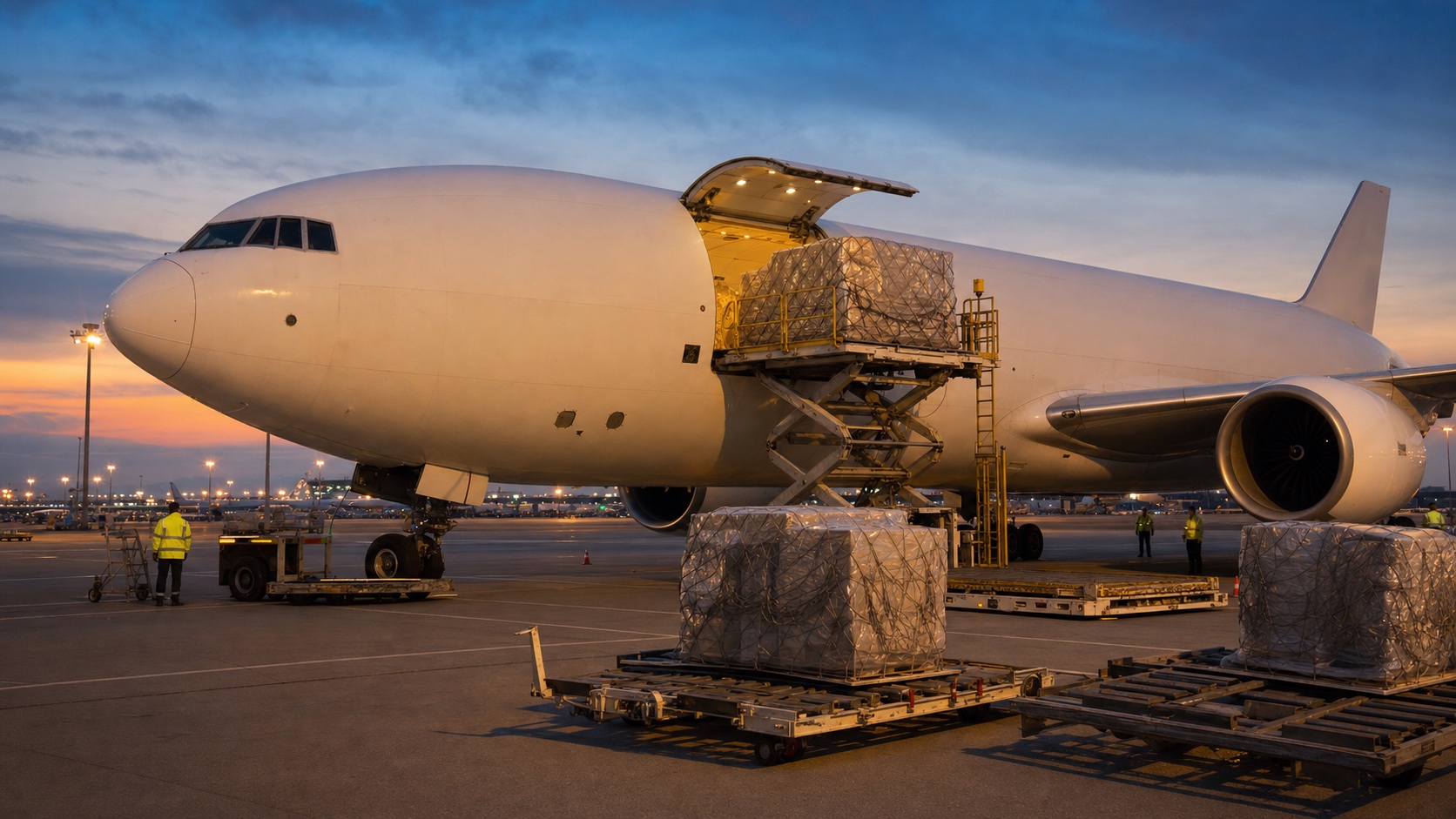
Commercial vehicle technology should be evaluated against a defined route and operating schedule.
Timeline
Pilot, depot preparation, vehicle delivery and scaled operation are distinct milestones.
A vehicle that works for a fixed urban route may not fit long-distance freight.
Compare duty cycle, usable payload and infrastructure requirements without inventing universal savings.
What happened?
Fleet operators evaluate lower-emission vehicles alongside charging, fueling and depot changes.
Why it matters
A vehicle that works for a fixed urban route may not fit long-distance freight.
Background
Commercial vehicle technology should be evaluated against a defined route and operating schedule.
What each side says
Manufacturers describe capability; operators test fit; regulators set emissions and safety requirements.
What happens next
Follow verified fleet deployments and published operating results.
Nivegu analysis
Fleet economics live in operations, not specification sheets.
Different viewpoints
Readers who compare official records, definitions and effective dates.
Claims that turn estimates, announcements or tests into verified outcomes.
What are you still wondering?
Answers will use this briefing and its cited sources.Sources and further reading
01U.S. Department of Energy — Alternative Fuels Data Center↗02EPA — Green Vehicles↗Questions, answered.
What is the short version?
Commercial vehicle technology should be evaluated against a defined route and operating schedule.
Why does this matter now?
A vehicle that works for a fixed urban route may not fit long-distance freight.
What should readers watch next?
Compare duty cycle, usable payload and infrastructure requirements without inventing universal savings.