MPGe translates energy use into a common comparison unit, but it is not a prediction of a household charging bill.
Timeline
Certification, label publication, model-year updates and local rate changes occur on separate schedules.
Confusing a laboratory comparison with a utility bill can make ownership-cost claims look more certain than they are.
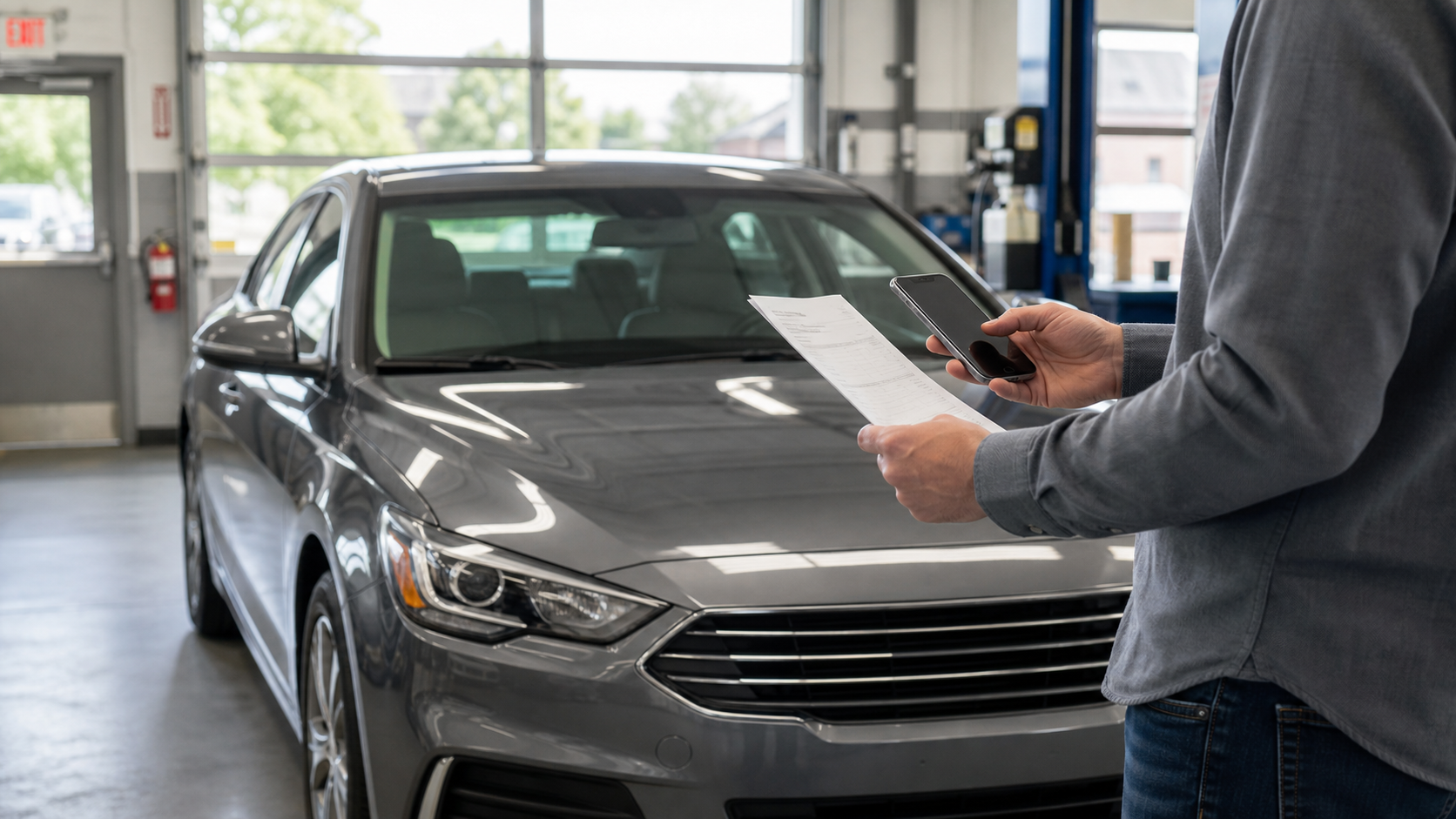
Use the official model-year label, then calculate charging cost with the vehicle's energy use and the driver's actual electricity rate.
What happened?
EPA and FuelEconomy.gov use standardized labels so shoppers can compare energy consumption across vehicle types.
Why it matters
Confusing a laboratory comparison with a utility bill can make ownership-cost claims look more certain than they are.
Background
MPGe translates energy use into a common comparison unit, but it is not a prediction of a household charging bill.
What each side says
Regulators define the comparison method; automakers publish certified labels; utilities set local prices and rate structures.
What happens next
Check the current official label and local tariff before making a cost comparison.
Nivegu analysis
A useful consumer comparison keeps standardized efficiency, real-world conditions and local prices as separate inputs.
Different viewpoints
Readers who compare official records, definitions and effective dates.
Claims that turn estimates, announcements or tests into verified outcomes.
What are you still wondering?
Answers will use this briefing and its cited sources.Sources and further reading
01EPA — Green Vehicles↗02FuelEconomy.gov↗Questions, answered.
What is the short version?
MPGe translates energy use into a common comparison unit, but it is not a prediction of a household charging bill.
Why does this matter now?
Confusing a laboratory comparison with a utility bill can make ownership-cost claims look more certain than they are.
What should readers watch next?
Use the official model-year label, then calculate charging cost with the vehicle's energy use and the driver's actual electricity rate.