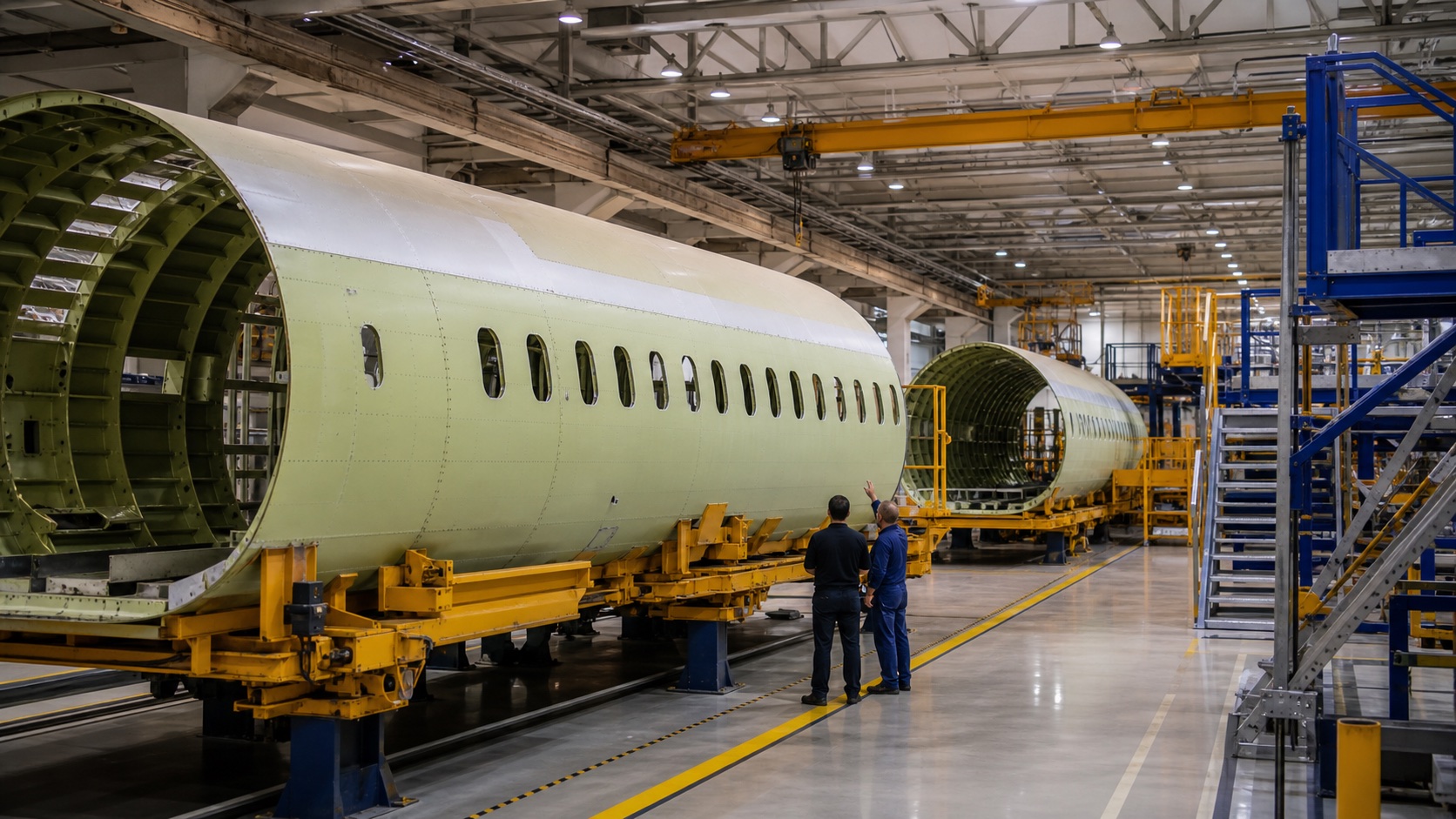
Narrow-body aircraft usually have one aisle; wide-bodies usually have two. The operational consequences extend far beyond the cabin.
Timeline
Newer narrow-bodies can fly longer missions, while wide-bodies remain central to high-volume long-haul passenger and cargo markets.
Aircraft choice determines frequency, unit cost, cargo capability and how much demand an airline must fill on each departure.
Watch route length, premium demand, cargo revenue and airport turnaround constraints.
What happened?
Newer narrow-bodies can fly longer missions, while wide-bodies remain central to high-volume long-haul passenger and cargo markets.
Why it matters
Aircraft choice determines frequency, unit cost, cargo capability and how much demand an airline must fill on each departure.
Background
Narrow-body aircraft usually have one aisle; wide-bodies usually have two. The operational consequences extend far beyond the cabin.
Who wins?
Readers who need source-linked context rather than a headline alone.
Who loses?
Simplistic narratives that omit operational constraints and trade-offs.
Market impact
Watch route length, premium demand, cargo revenue and airport turnaround constraints.
Nivegu analysis
The boundary is blurring, but network design still begins with matching aircraft size and range to a market—not choosing the most impressive airplane.
Different viewpoints
Readers who need source-linked context rather than a headline alone.
Simplistic narratives that omit operational constraints and trade-offs.
What are you still wondering?
Answers will use this briefing and its cited sources.Sources and further reading
01FAA — Pilot’s Handbook of Aeronautical Knowledge↗Questions, answered.
What is the short version?
Narrow-body aircraft usually have one aisle; wide-bodies usually have two. The operational consequences extend far beyond the cabin.
Why does this matter now?
Aircraft choice determines frequency, unit cost, cargo capability and how much demand an airline must fill on each departure.
What should readers watch next?
Watch route length, premium demand, cargo revenue and airport turnaround constraints.