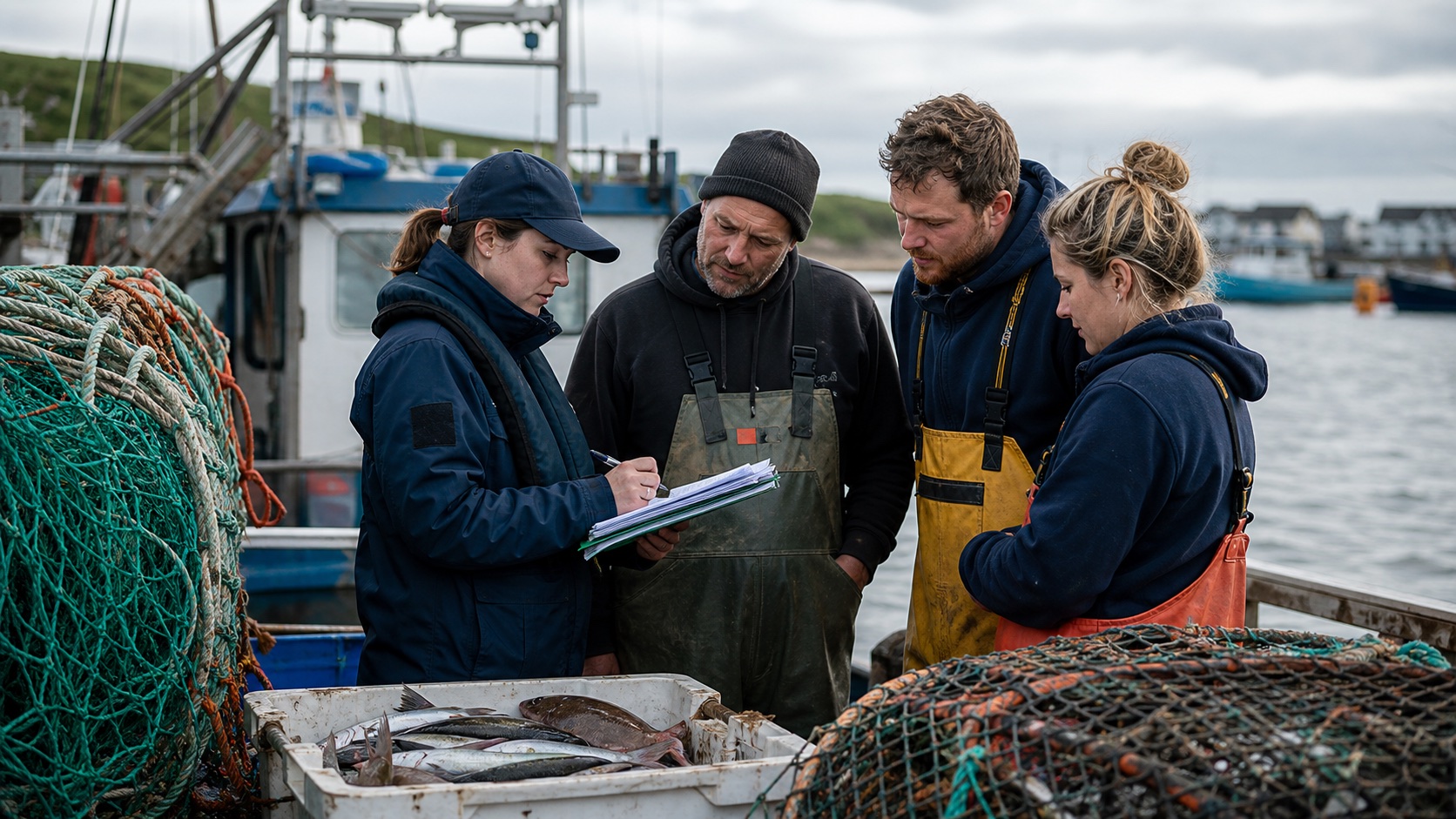
Catch limits mean little without reliable monitoring from the water to the market. This Nivegu briefing connects the operating evidence to the decision that readers, institutions and markets need to watch.
Timeline
The issue moved from measurement to public planning; institutions are now translating evidence into budgets, standards and operating decisions.
Weak documentation rewards operators who externalize ecological costs and undermines crews that comply with quotas, gear rules and labor standards.
The practical signal is implementation: follow budgets, measured outcomes and the next official release related to sustainable fisheries need evidence at the dock.
What happened?
FAO's fisheries reporting tracks stock and production trends, while NOAA's international enforcement work targets illegal, unreported and unregulated fishing.
Why it matters
Weak documentation rewards operators who externalize ecological costs and undermines crews that comply with quotas, gear rules and labor standards.
Background
Catch limits mean little without reliable monitoring from the water to the market. This Nivegu briefing connects the operating evidence to the decision that readers, institutions and markets need to watch.
What each side says
Proponents emphasize capacity, resilience and earlier intervention. Skeptics ask who pays, whether the evidence is comparable and which institution is accountable when the plan underperforms.
What happens next
Watch the cited institutions for updated data, implementation rules and evaluated results. Nivegu will update this canonical briefing when those documents materially change the record.
Nivegu analysis
Nivegu view: Catch limits mean little without reliable monitoring from the water to the market. The durable test is whether the policy or operating system changes incentives and measurable outcomes, not whether the subject produces another announcement.
Different viewpoints
Organizations that publish comparable evidence, define responsibility early and invest before a visible failure forces the timetable.
Communities, workers and operators left carrying costs that were omitted from the original plan or hidden in fragmented data.
What are you still wondering?
Answers will use this briefing and its cited sources.Sources and further reading
01FAO — State of World Fisheries and Aquaculture↗02NOAA — International Affairs and Seafood Inspection↗Questions, answered.
What is the short version?
Catch limits mean little without reliable monitoring from the water to the market. This Nivegu briefing connects the operating evidence to the decision that readers, institutions and markets need to watch.
Why does this matter now?
Weak documentation rewards operators who externalize ecological costs and undermines crews that comply with quotas, gear rules and labor standards.
What should readers watch next?
The practical signal is implementation: follow budgets, measured outcomes and the next official release related to sustainable fisheries need evidence at the dock.