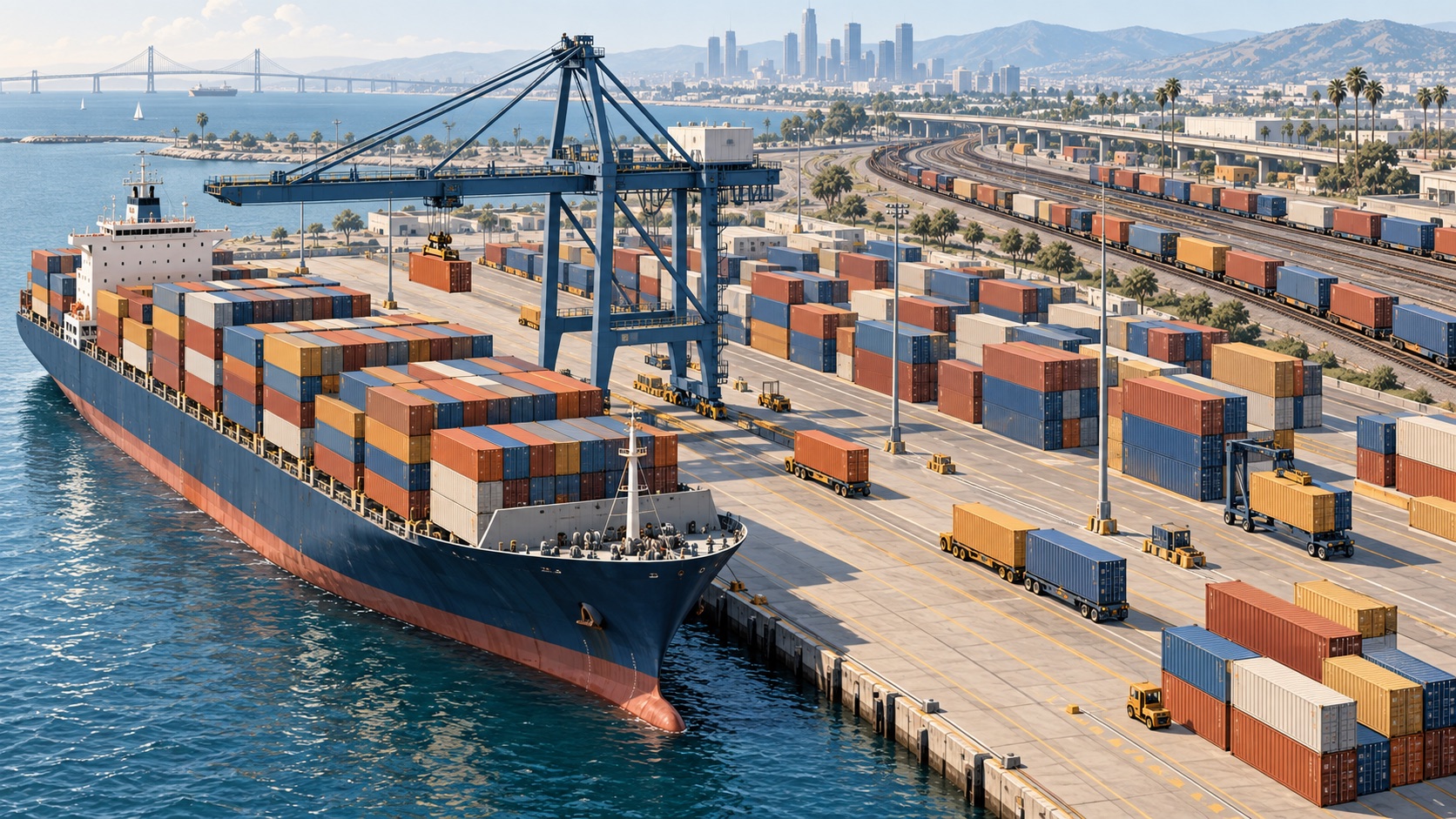
Trade routes increasingly depend on a small number of terminals with political and commercial leverage. This Nivegu briefing identifies the operating constraint, the stakeholders carrying the cost and the evidence that could change the view.
Timeline
The issue is moving from specialist discussion into budgets, policy and product decisions. Institutions are being forced to define responsibilities that were previously left implicit.
The early choices can create durable advantages, hidden dependencies or expensive lock-in. The consequence matters more than the announcement.
Watch spending, adoption, regulation and measurable behavior. Those signals reveal whether the change is structural or merely receiving attention.
What happened?
The issue is moving from specialist discussion into budgets, policy and product decisions. Institutions are being forced to define responsibilities that were previously left implicit.
Why it matters
The early choices can create durable advantages, hidden dependencies or expensive lock-in. The consequence matters more than the announcement.
Background
Trade routes increasingly depend on a small number of terminals with political and commercial leverage. This Nivegu briefing identifies the operating constraint, the stakeholders carrying the cost and the evidence that could change the view.
Who wins?
Teams with reliable evidence, flexible capacity and the ability to redesign operations before pressure becomes a crisis.
Who loses?
Organizations relying on a simple headline, one supplier or a favorable condition that cannot be controlled.
Market impact
Watch spending, adoption, regulation and measurable behavior. Those signals reveal whether the change is structural or merely receiving attention.
Nivegu analysis
Nivegu view: Trade routes increasingly depend on a small number of terminals with political and commercial leverage. The strongest confirmation will come from changed incentives and repeatable outcomes—not louder claims.
Different viewpoints
Teams with reliable evidence, flexible capacity and the ability to redesign operations before pressure becomes a crisis.
Organizations relying on a simple headline, one supplier or a favorable condition that cannot be controlled.
What are you still wondering?
Answers will use this briefing and its cited sources.Sources and further reading
01UN Data↗Questions, answered.
What is the short version?
Trade routes increasingly depend on a small number of terminals with political and commercial leverage. This Nivegu briefing identifies the operating constraint, the stakeholders carrying the cost and the evidence that could change the view.
Why does this matter now?
The early choices can create durable advantages, hidden dependencies or expensive lock-in. The consequence matters more than the announcement.
What should readers watch next?
Watch spending, adoption, regulation and measurable behavior. Those signals reveal whether the change is structural or merely receiving attention.