Nepal intensified search, rescue and relief operations on Saturday after the August 26 Bhote Koshi flash flood devastated communities near the Chinese border. Nepal's Foreign Ministry said 626 bodies had been recovered and about 2,400 people remained unaccounted for as of its Saturday afternoon briefing. The figures remain provisional and may change as isolated areas are reached.
Key facts
- Flood began: Aug. 26, 2026
- Nepal's reported recovered bodies: 626
- Reported missing in Nepal: about 2,400
- Figures current to: Nepal government briefing, Aug. 29
- Cause: not yet fully determined by the government
Timeline
Aug. 26 — a sudden flood tears through the Bhote Koshi corridor in Rasuwa and neighboring areas. Aug. 27–28 — rescue teams reach more communities as Nepal declares affected municipalities disaster crisis areas. Aug. 29 — helicopters resume flights and the Foreign Ministry reports 626 recovered bodies with about 2,400 people still missing. Next — searches, relief deliveries and damage assessments continue.
The scale of the missing-person count means the human toll is still uncertain. Damaged roads and mountainous terrain are slowing access, while displaced families need safe water, sanitation, shelter and health care. Officials are also monitoring continuing flood and landslide risks in communities downstream.
The immediate story is humanitarian, not a market event. The government has not yet published a complete damage assessment, and early estimates should not be treated as final reconstruction costs.
What happened?
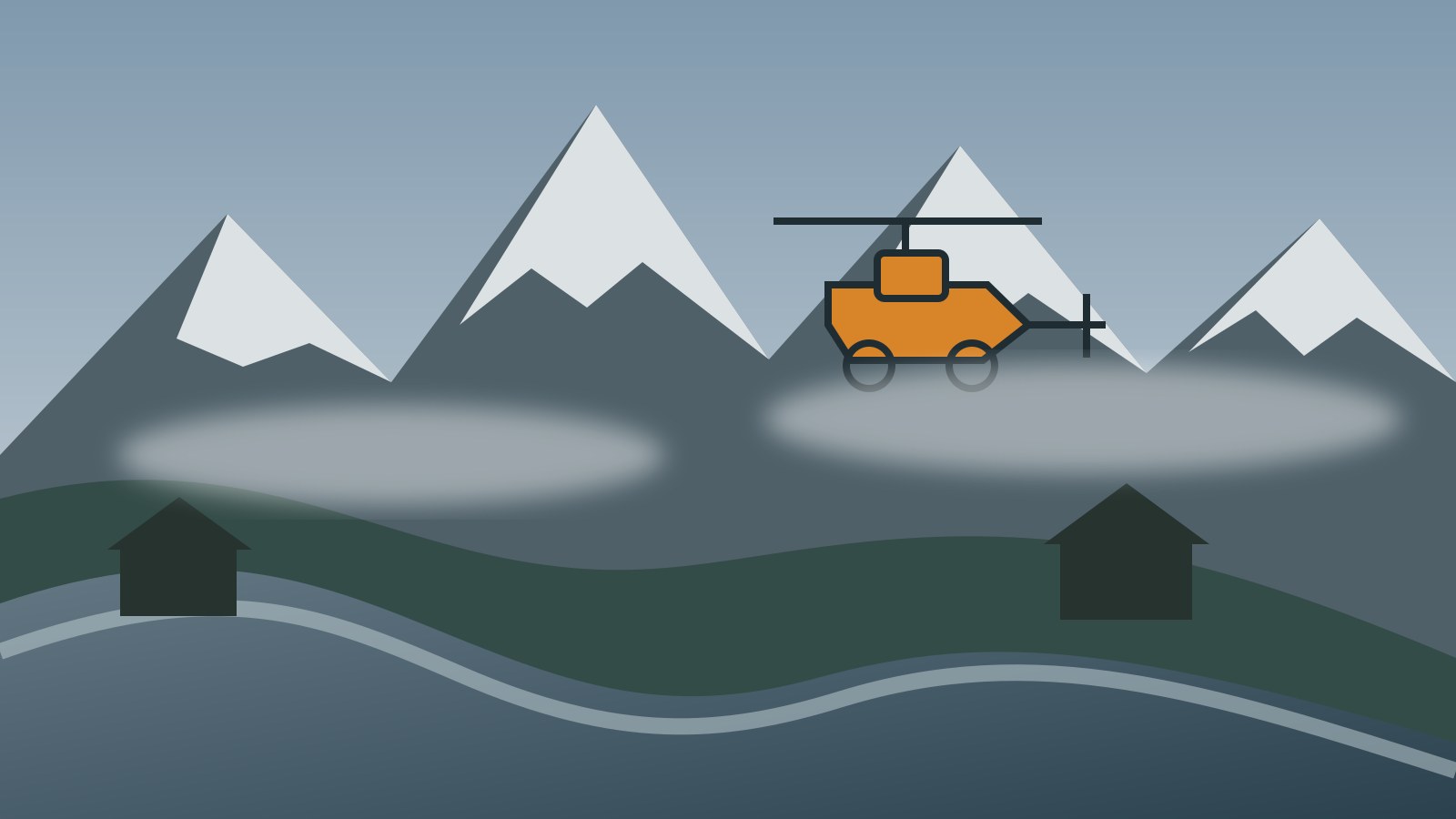
Helicopters resumed operations after poor weather disrupted access to parts of the disaster zone. The government says security forces, local authorities and relief agencies are searching for missing people, moving survivors and delivering food, shelter and medical support. Roads, bridges, homes, schools, health facilities and hydropower infrastructure have been damaged across the affected river corridor.
Why it matters
The scale of the missing-person count means the human toll is still uncertain. Damaged roads and mountainous terrain are slowing access, while displaced families need safe water, sanitation, shelter and health care. Officials are also monitoring continuing flood and landslide risks in communities downstream.
Background
Nepal intensified search, rescue and relief operations on Saturday after the August 26 Bhote Koshi flash flood devastated communities near the Chinese border. Nepal's Foreign Ministry said 626 bodies had been recovered and about 2,400 people remained unaccounted for as of its Saturday afternoon briefing. The figures remain provisional and may change as isolated areas are reached.
What each side says
Nepal's government says saving lives, locating missing people and supporting survivors are the national priority. International agencies including WHO and UNICEF are supporting health and relief work. There is no substantive dispute over the need for emergency assistance, but the government has cautioned against treating an early explanation of the flood's cause as final.
What happens next
Search teams will continue working through the affected districts while authorities restore road access and assess public-health needs. Watch for updated missing-person lists, official flood and landslide warnings, a technical finding on the cause and a fuller damage assessment from Nepal's disaster authorities.
Nivegu analysis
The most important distinction is between confirmed effects and the still-unsettled cause. Nepal's government says the cause has not been fully determined. Scientific assessments reported so far point toward a glacier-related collapse, but a final technical finding has not been released. Rescue totals and casualty figures should also be expected to change as teams reach isolated locations.
Different viewpoints
There are no meaningful winners in a disaster of this scale. Faster access, coordinated relief and clear public warnings can reduce further loss and help separated families receive reliable information.
Families searching for relatives, displaced communities and areas cut off by damaged transport and communications face the greatest burden. Tourism, local trade, farming and energy infrastructure may also face prolonged disruption.
What are you still wondering?
Answers will use this briefing and its cited sources.Sources and further reading
01Nepal Ministry of Foreign Affairs — Bhote Koshi flood briefing↗02WHO Nepal — 2026 Rasuwa flash floods↗03UNICEF Nepal — Flood response flash appeal↗04Associated Press — Rescue operations and updated toll↗Questions, answered.
What is the short version?
Nepal intensified search, rescue and relief operations on Saturday after the August 26 Bhote Koshi flash flood devastated communities near the Chinese border. Nepal's Foreign Ministry said 626 bodies had been recovered and about 2,400 people remained unaccounted for as of its Saturday afternoon briefing. The figures remain provisional and may change as isolated areas are reached.
Why does this matter now?
The scale of the missing-person count means the human toll is still uncertain. Damaged roads and mountainous terrain are slowing access, while displaced families need safe water, sanitation, shelter and health care. Officials are also monitoring continuing flood and landslide risks in communities downstream.
What should readers watch next?
The immediate story is humanitarian, not a market event. The government has not yet published a complete damage assessment, and early estimates should not be treated as final reconstruction costs.