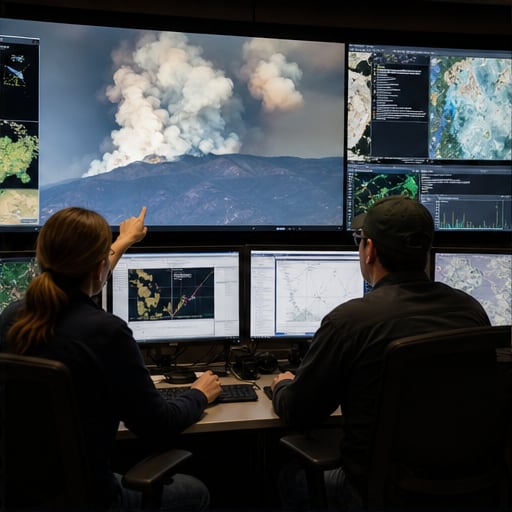
Climate observatories and research networks are adding standardized reproducibility checks for near-term attribution updates.
Timeline
August 2026 — protocol announcement. September 2026 — expected integration into next climate policy review rounds.
Attribution claims in climate policy discussions depend on comparable inputs. Stronger replication reduces miscalculation risks in public framing.
Policy makers face a steeper evidence bar, but implementation confidence may improve for affected regions.
What happened?
Regional climate agencies reported new requirements for methodology sharing on model boundary assumptions and scenario sensitivity.
Why it matters
Attribution claims in climate policy discussions depend on comparable inputs. Stronger replication reduces miscalculation risks in public framing.
Background
Climate observatories and research networks are adding standardized reproducibility checks for near-term attribution updates.
What each side says
Research agencies frame this as rigor. Industry observers worry timelines will slow decision-making.
What happens next
Watch whether national climate adaptation budgets adjust their acceptance criteria in the next grant cycle.
Nivegu analysis
Expect slower release cycles but fewer credibility reversals in follow-up updates.
Different viewpoints
Teams publishing machine-readable methods and versioned datasets.
Reports with broad confidence claims but narrow methodological transparency.
What are you still wondering?
Answers will use this briefing and its cited sources.Sources and further reading
01NASA climate data portal↗02IPCC process notes↗Questions, answered.
What is the short version?
Climate observatories and research networks are adding standardized reproducibility checks for near-term attribution updates.
Why does this matter now?
Attribution claims in climate policy discussions depend on comparable inputs. Stronger replication reduces miscalculation risks in public framing.
What should readers watch next?
Policy makers face a steeper evidence bar, but implementation confidence may improve for affected regions.