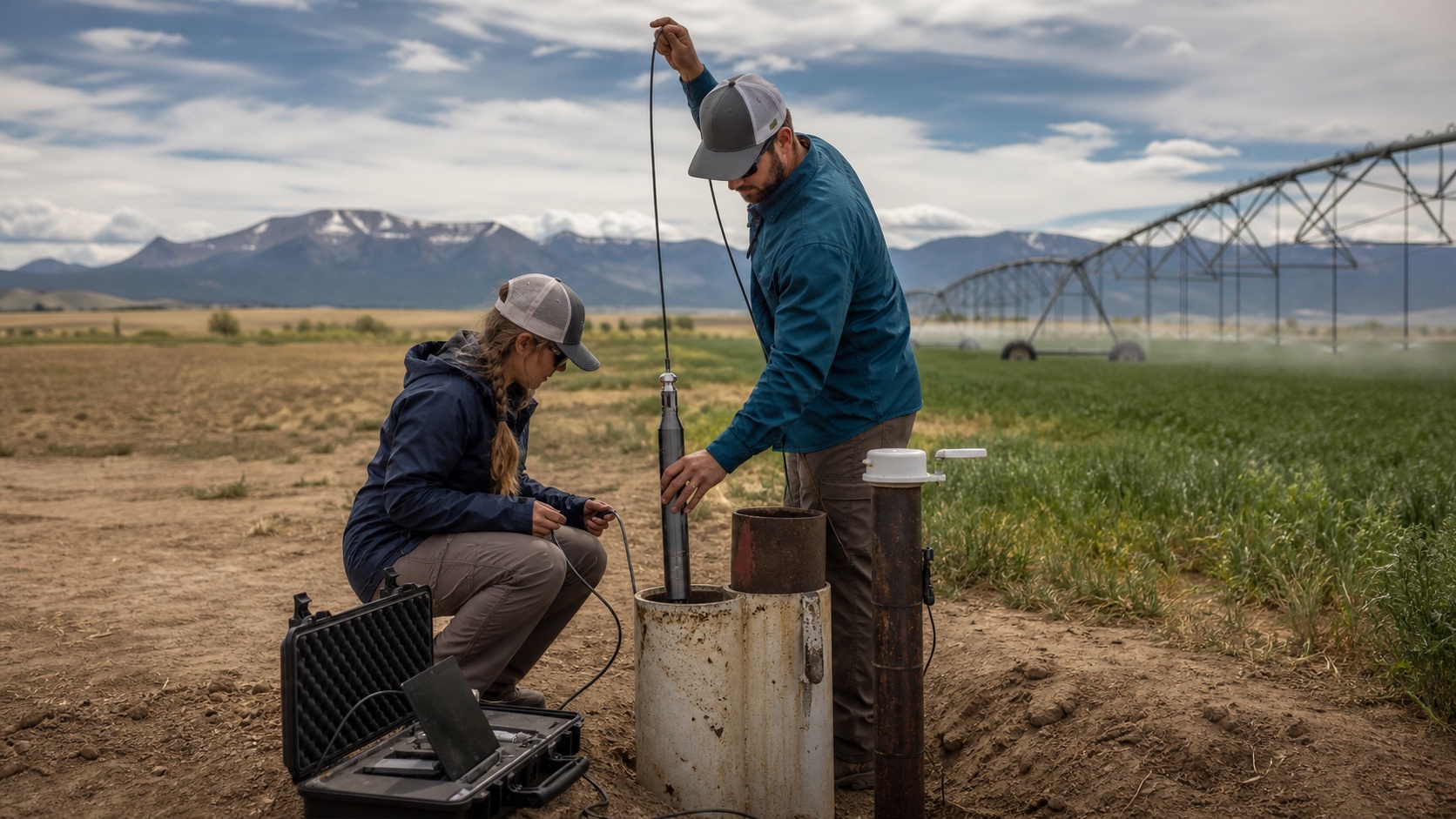
A single well can miss the regional loss that satellites and networks reveal. This Nivegu briefing connects the operating evidence to the decision that readers, institutions and markets need to watch.
Timeline
The issue moved from measurement to public planning; institutions are now translating evidence into budgets, standards and operating decisions.
Combining the scales helps distinguish a temporary local fluctuation from sustained depletion that requires basin-wide management.
The practical signal is implementation: follow budgets, measured outcomes and the next official release related to groundwater science is learning to see the whole basin.
What happened?
USGS observation wells provide local records, while NASA's GRACE missions estimate changes in stored water across much larger areas.
Why it matters
Combining the scales helps distinguish a temporary local fluctuation from sustained depletion that requires basin-wide management.
Background
A single well can miss the regional loss that satellites and networks reveal. This Nivegu briefing connects the operating evidence to the decision that readers, institutions and markets need to watch.
What each side says
Proponents emphasize capacity, resilience and earlier intervention. Skeptics ask who pays, whether the evidence is comparable and which institution is accountable when the plan underperforms.
What happens next
Watch the cited institutions for updated data, implementation rules and evaluated results. Nivegu will update this canonical briefing when those documents materially change the record.
Nivegu analysis
Nivegu view: A single well can miss the regional loss that satellites and networks reveal. The durable test is whether the policy or operating system changes incentives and measurable outcomes, not whether the subject produces another announcement.
Different viewpoints
Organizations that publish comparable evidence, define responsibility early and invest before a visible failure forces the timetable.
Communities, workers and operators left carrying costs that were omitted from the original plan or hidden in fragmented data.
What are you still wondering?
Answers will use this briefing and its cited sources.Sources and further reading
01USGS — Groundwater Data for the Nation↗02NASA — GRACE Follow-On↗Questions, answered.
What is the short version?
A single well can miss the regional loss that satellites and networks reveal. This Nivegu briefing connects the operating evidence to the decision that readers, institutions and markets need to watch.
Why does this matter now?
Combining the scales helps distinguish a temporary local fluctuation from sustained depletion that requires basin-wide management.
What should readers watch next?
The practical signal is implementation: follow budgets, measured outcomes and the next official release related to groundwater science is learning to see the whole basin.