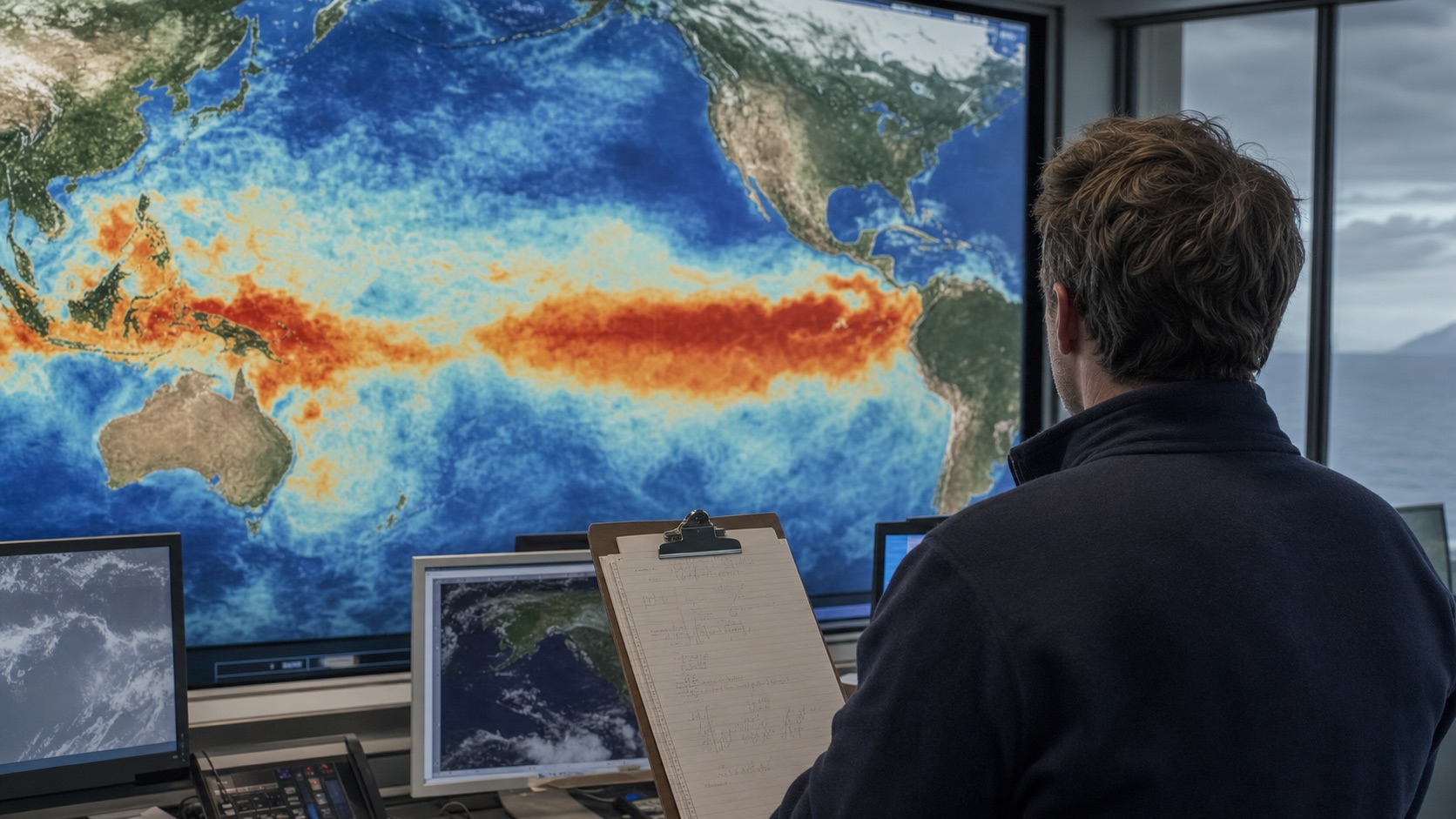
Scarcity is moving from an environmental concern into agriculture, power and urban investment decisions. This Nivegu briefing separates the structural signal from the daily noise and identifies what would change the conclusion.
Timeline
Water Stress Is Becoming Economic Risk has moved from a specialist concern into a broader decision about policy, trade and cross-border consequences. The shift is gradual, but its costs and incentives are already visible.
The issue matters because decisions made now can lock in infrastructure, budgets and behavior for years. Waiting for perfect certainty usually transfers risk rather than removing it.
Watch funding costs, capacity, regulation and adoption. Those signals will show whether the thesis is becoming an operating reality or remaining a persuasive story.
What happened?
Water Stress Is Becoming Economic Risk has moved from a specialist concern into a broader decision about policy, trade and cross-border consequences. The shift is gradual, but its costs and incentives are already visible.
Why it matters
The issue matters because decisions made now can lock in infrastructure, budgets and behavior for years. Waiting for perfect certainty usually transfers risk rather than removing it.
Background
Scarcity is moving from an environmental concern into agriculture, power and urban investment decisions. This Nivegu briefing separates the structural signal from the daily noise and identifies what would change the conclusion.
Who wins?
Organizations that measure the constraint early, preserve options and connect strategy to observable outcomes.
Who loses?
Teams relying on a simple narrative, hidden subsidies or assumptions that only work while conditions remain unusually favorable.
Market impact
Watch funding costs, capacity, regulation and adoption. Those signals will show whether the thesis is becoming an operating reality or remaining a persuasive story.
Nivegu analysis
Nivegu view: Scarcity is moving from an environmental concern into agriculture, power and urban investment decisions. The useful question is not whether the trend exists, but where the burden lands, who has room to adapt and which evidence would prove the current view wrong.
Different viewpoints
Organizations that measure the constraint early, preserve options and connect strategy to observable outcomes.
Teams relying on a simple narrative, hidden subsidies or assumptions that only work while conditions remain unusually favorable.
What we know
The central claims in this briefing are tied to the sources below. Analysis and inference are labeled separately; uncertainty stays visible.
✓ SOURCE-BACKEDWhat are you still wondering?
Answers will use this briefing and its cited sources.Sources
Read the evidence, not just our conclusion.
01World Bank Data↗Questions, answered.
What is the short version?
Scarcity is moving from an environmental concern into agriculture, power and urban investment decisions. This Nivegu briefing separates the structural signal from the daily noise and identifies what would change the conclusion.
Why does this matter now?
The issue matters because decisions made now can lock in infrastructure, budgets and behavior for years. Waiting for perfect certainty usually transfers risk rather than removing it.
What should readers watch next?
Watch funding costs, capacity, regulation and adoption. Those signals will show whether the thesis is becoming an operating reality or remaining a persuasive story.